



 shengkang1@skmedical.cn
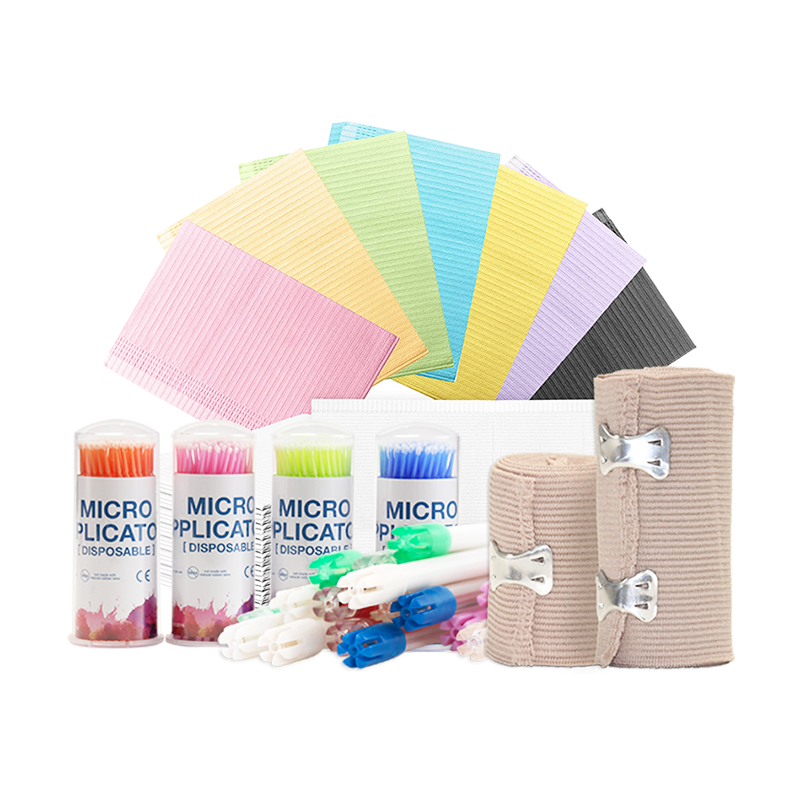


How to Properly Apply Pet Bandages
Pet bandages are an essential component of pet care, providing protection and support for injuries, surgical sites, and other medical conditions in animals. Just like humans, pets can experience a variety of injuries, and having the right bandaging supplies can make a significant difference in the healing process. This article explores the types of pet bandages, their applications, proper usage, and tips for ensuring your furry friend recovers quickly and comfortably.
What Are Pet Bandages?
Pet bandages are specially designed medical dressings used to protect wounds, secure dressings, or provide support to injured limbs. They come in various forms, including adhesive bandages, elastic bandages, gauze pads, and more. The right type of bandage depends on the nature of the injury, the pet’s size, and the specific requirements for healing.
Types of Pet Bandages
Adhesive Bandages: These are similar to human bandages and are used for small cuts and abrasions. They stick directly to the skin and provide a protective barrier against dirt and bacteria.
Gauze Pads: Often used in conjunction with other bandages, gauze pads absorb blood and exudate from wounds. They are typically secured with adhesive tape or elastic bandages.
Elastic Bandages: Also known as compression bandages, these provide support to sprains or strains. They can be wrapped around limbs to reduce swelling and stabilize the injured area.
Coheisive Bandages: These self-adhering bandages stick to themselves rather than to the skin or fur. They are versatile and can be used to secure gauze pads or cover wounds.
Wet-to-Dry Bandages: Used primarily in veterinary settings, these bandages help in the healing of deep wounds by keeping them moist initially and then allowing them to dry out gradually.
Specialty Bandages: These include waterproof bandages for outdoor pets, orthopedic bandages for fractures, and protective covers for surgical sites.
When to Use Pet Bandages
Understanding when to use bandages is crucial for effective pet care. Here are some common scenarios that may require bandaging:
1. Minor Cuts and Scrapes
For small injuries, adhesive bandages or gauze pads can provide protection from dirt and infection. It's essential to clean the wound first, applying a mild antiseptic before bandaging.
2. Surgical Recovery
Post-operative care often requires bandaging to protect the surgical site. Elastic bandages can provide support and keep the area clean while allowing for some movement.
3. Sprains and Strains
In cases of sprained ankles or strained muscles, elastic or cohesive bandages can stabilize the affected area, reducing pain and swelling.
4. Wound Management
For deeper or more complex wounds, wet-to-dry bandages may be necessary to promote healing while managing exudate.
5. Infection Prevention
Bandaging helps prevent infections in open wounds by creating a barrier against bacteria and contaminants.
How to Properly Apply Pet Bandages
Applying a bandage correctly is key to ensuring your pet's comfort and promoting healing. Here’s a step-by-step guide:
Step 1: Gather Supplies
Before you start, gather all necessary supplies: bandages, gauze pads, antiseptic solution, scissors, and adhesive tape.
Step 2: Clean the Wound
Gently clean the wound with warm water and mild antiseptic. Pat it dry with a clean cloth or gauze.
Step 3: Apply a Gauze Pad (if needed)
For larger wounds, place a sterile gauze pad over the injury to absorb any blood or fluid. Secure it with adhesive tape or a cohesive bandage.
Step 4: Wrap the Bandage
If using an elastic or cohesive bandage, start wrapping at the distal end (far from the body) and move towards the injury. Ensure the bandage is snug but not too tight to restrict circulation.
Step 5: Secure the Bandage
Once the bandage is in place, secure its end with adhesive tape or by using a cohesive bandage. Make sure it will not unravel during your pet’s movements.
Step 6: Monitor the Bandage
Check the bandage regularly to ensure it remains clean and dry. Change it as instructed by your veterinarian or if it becomes dirty or wet.

Tips for Effective Bandaging
1. Choose the Right Size
Ensure the bandage is appropriate for your pet's size and the nature of the injury. Too large may not provide adequate support, while too small can restrict circulation.
2. Avoid Over-tightening
A bandage that is too tight can cause discomfort and restrict blood flow. You should be able to fit one or two fingers between the bandage and your pet's skin.
3. Monitor for Signs of Infection
Watch for signs of infection, such as increased redness, swelling, discharge, or foul odor. If you notice any of these symptoms, contact your veterinarian immediately.
4. Keep It Dry
If the bandage gets wet, replace it as soon as possible to prevent skin irritation and promote healing.
5. Provide Comfort
After bandaging, ensure your pet is comfortable. A soft bed and a quiet environment can help reduce stress during recovery.
Common Challenges and Solutions
1. Pets Trying to Remove Bandages
Many pets will attempt to chew or pull off their bandages. To prevent this, consider using an Elizabethan collar (cone) until the bandage is secure and healing is underway.
2. Skin Irritation
Some pets may react to adhesive bandages. If you notice redness or irritation, remove the bandage and consult your veterinarian for alternatives.
3. Bandage Slippage
If the bandage keeps slipping, ensure it is wrapped snugly and securely. You may also need to use additional tape or a tighter wrap.
When to Consult a Veterinarian
While many minor injuries can be managed at home, there are situations where veterinary attention is necessary:
Deep Wounds: If the injury is deep or won’t stop bleeding, seek veterinary care immediately.
Foreign Objects: If a foreign object is embedded in the wound, do not attempt to remove it; take your pet to the vet.
Signs of Infection: If you notice increasing redness, swelling, or discharge, consult your veterinarian.
Persistent Pain or Discomfort: If your pet shows signs of distress or pain that is not alleviated, a vet visit is warranted.
Pet bandages are vital tools for ensuring your furry companions heal properly and comfortably after injuries. By understanding the types of bandages available, knowing when to use them, and learning how to apply them correctly, pet owners can play an active role in their pets' recovery. Always keep an eye on the healing process and consult a veterinarian when in doubt. With proper care and attention, your pet can return to their happy, active life in no time.